

Learn to enjoy wine like an expert. We guide you through each step: temperature, glass type, how to look, smell, and...
Latest posts
-
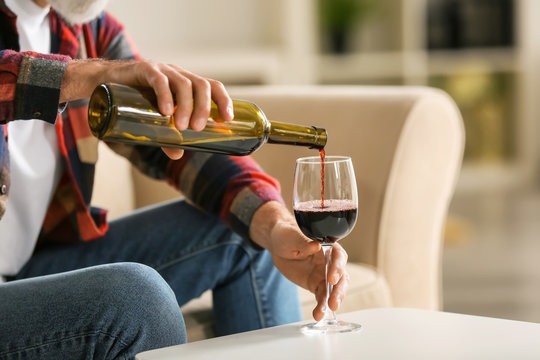 Beyond the Toast: The Art of Savoring Wine, Step by StepRead more
 -
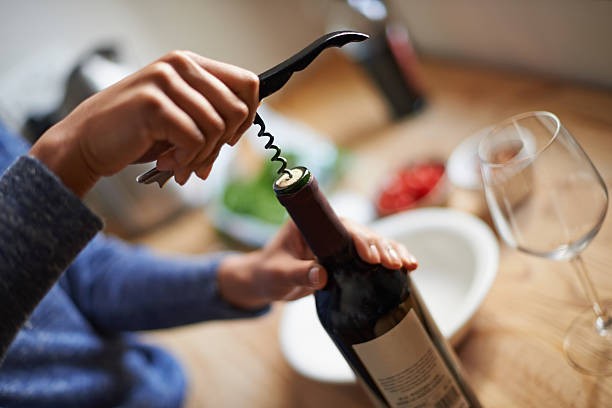 Leftover Open Wine? The Definitive Guide to Preserving and Enjoying It Days LaterRead more
Discover foolproof methods for preserving open wine. Learn to use vacuum pumps, inert gases, and home techniques to...
-
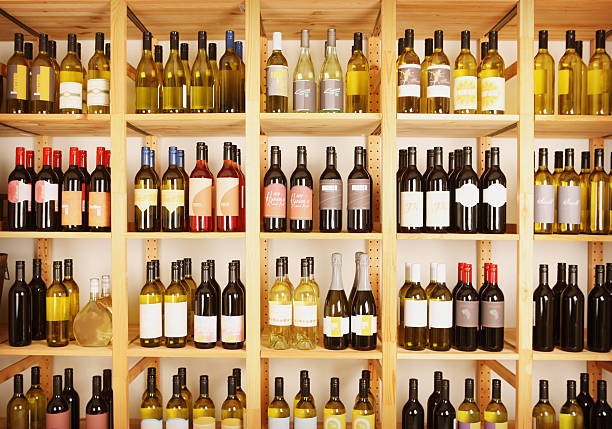 The Ultimate Guide to Wine Storage: Secrets to Preserving Its MagicRead more
Discover how to store wine correctly at home. We explain temperature, humidity, bottle position and all the secrets...
-
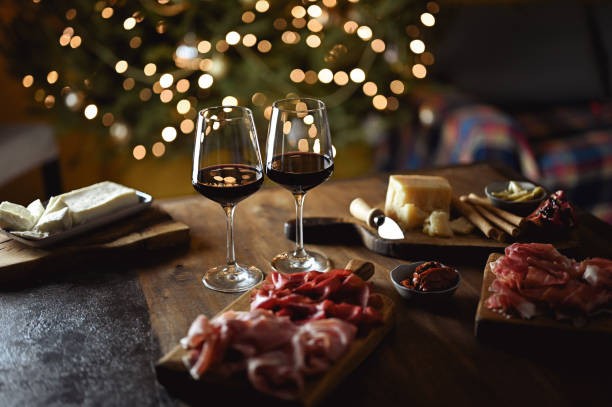 The Guide to Choosing the Best Wines for ChristmasRead more
Christmas is coming, and with it, the lights, the reunions and, of course, the tables overflowing with delicacies. In...
-
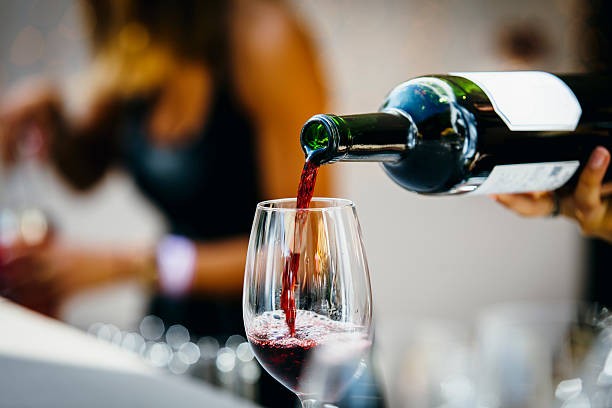 The Ultimate Guide to Choosing the Perfect Wine for Your WeddingRead more
Congratulations! You're planning one of the most special days of your life. Between the dress, the décor, and the...
-
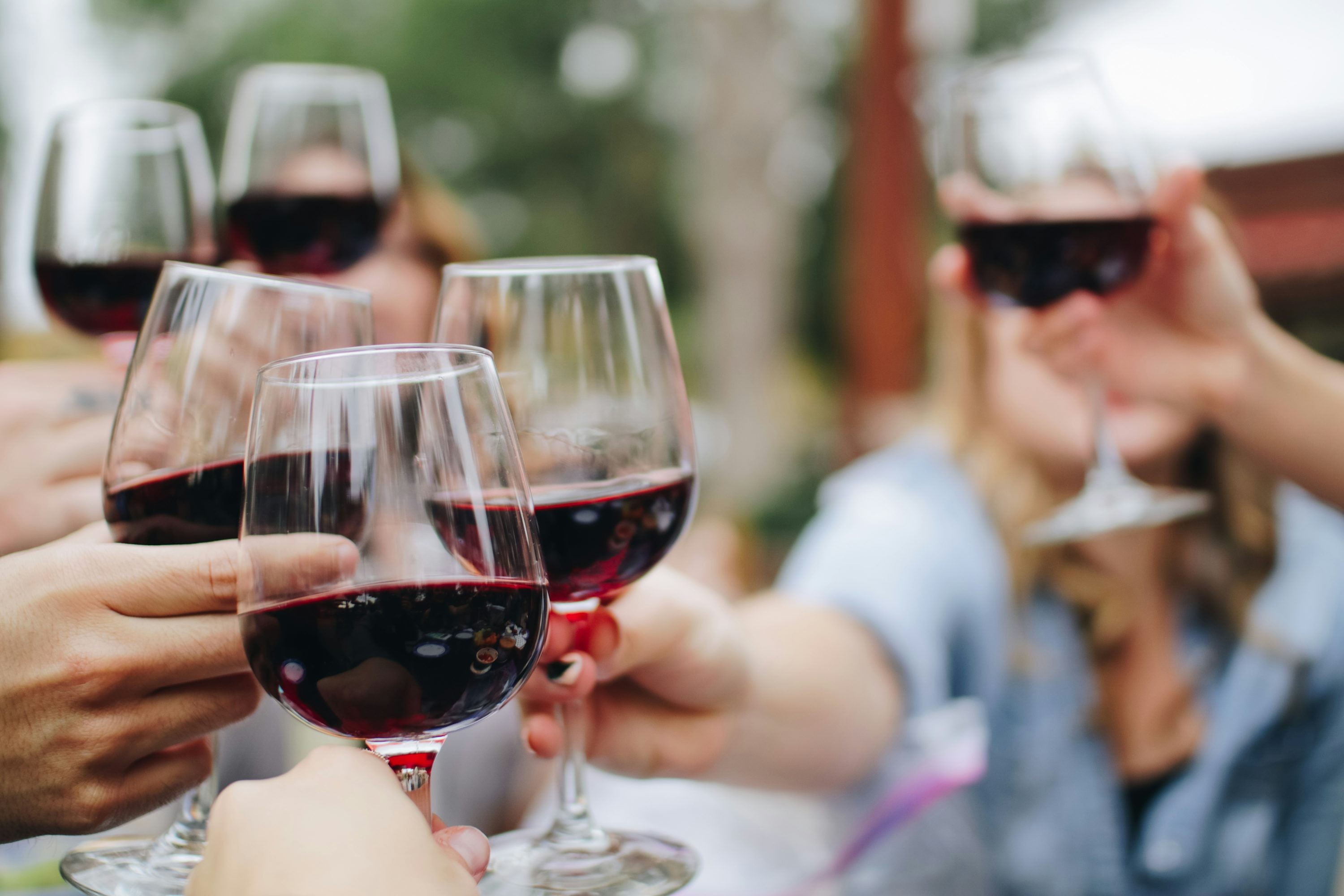 The 10 Best Spanish (Alicante) Red Wines of 2025: A Selection of ExcellenceRead more
The Spanish wine scene continues to evolve with bold proposals and wines that reflect the diversity of its terroirs....
-
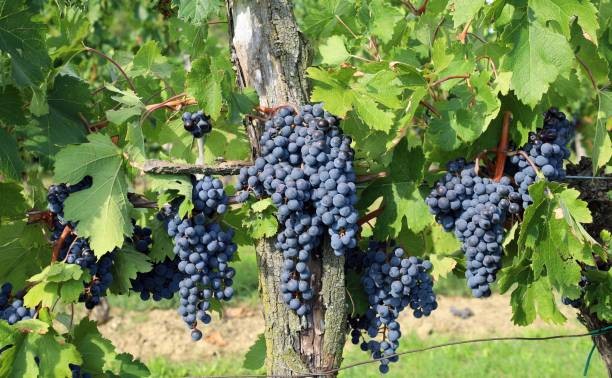 The Merlot Grape: Origin, Characteristics, and Essential WinesRead more
Merlot is one of the most widely grown and appreciated red grape varieties in the world of wine. Known for its...
-
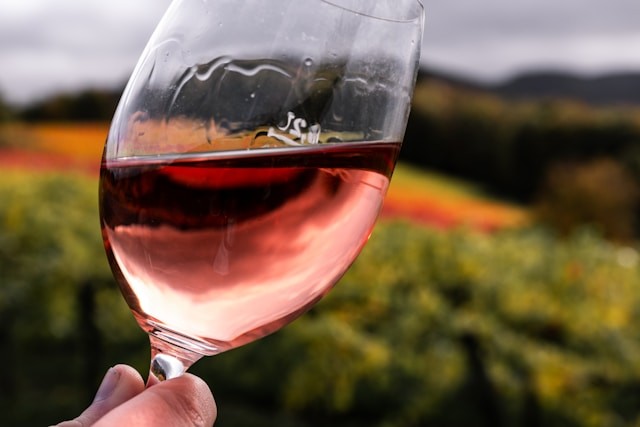 The Allure of Rosé Wine: A Complete Guide to Enjoying ItRead more
Rosé wine has shed its old reputation as just a summer drink to become a respected and versatile category. With...
-
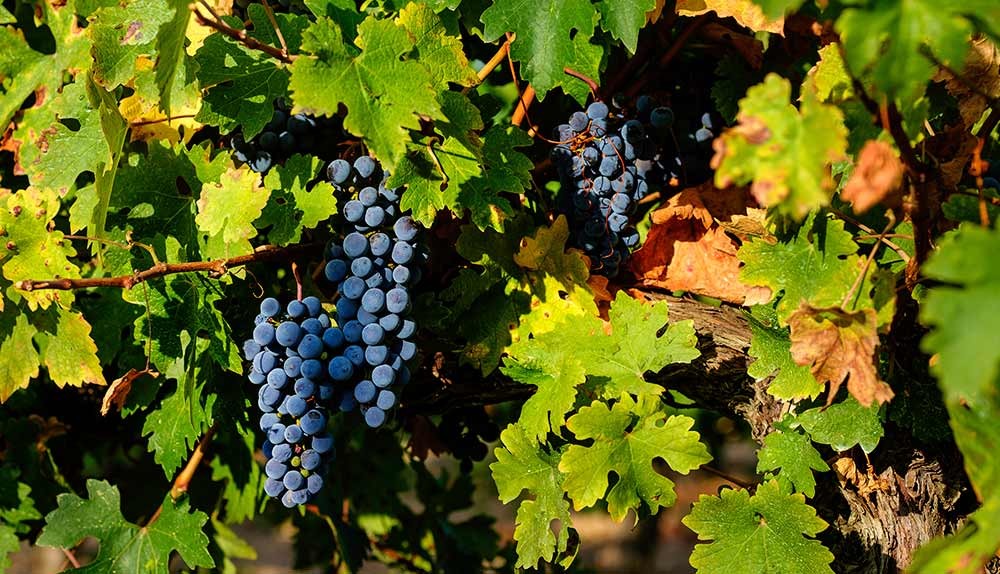 Discovering the Garnacha Tintorera Grape: A Wine TreasureRead more
The Garnacha Tintorera grape is a unique variety that has captivated wine lovers with its intensity, color, and...
-
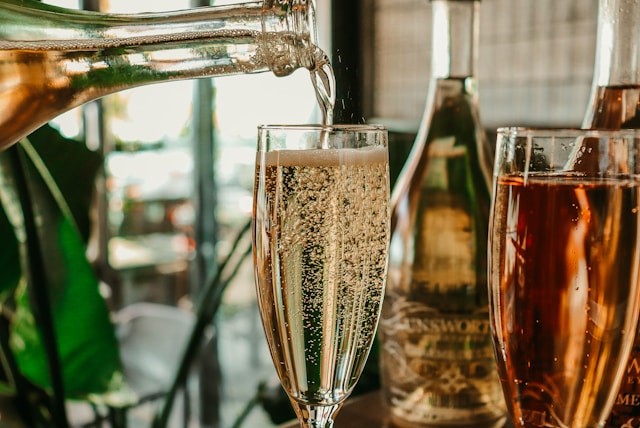 Discovering Cava: Spain’s Sparkling JewelRead more
Cava is much more than just a sparkling wine—it’s a tradition, a symbol of celebration, and a testament to Spain’s...
Blog categories
Search in blog
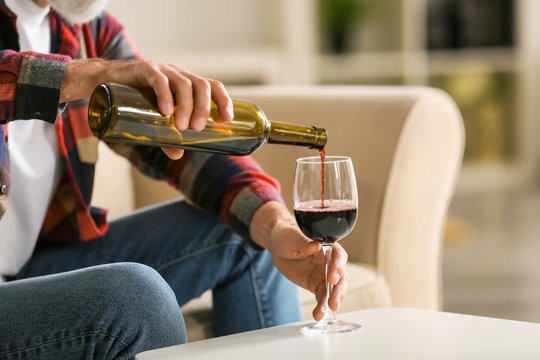
Beyond the Toast: The Art of Savoring Wine, Step by Step
Wine is much more than a beverage. It is tradition, it is culture, it is liquid agriculture. But at its core, it is a sensory experience that we can all learn to enjoy to the fullest. It's not about rigid rules or exclusive knowledge for the initiated. It's about discovering, paying attention, and above all, connecting with the pleasure that a good wine can offer.
Perhaps you've sometimes felt overwhelmed choosing a bottle, or hesitated about the temperature to serve it, or simply wanted to grasp more of those aromas that experts talk about. The good news is that deeply enjoying wine does not require a special gift, but only a little guidance and the willingness to pay attention to your own senses.
This article is not a strict protocol manual. It's a friendly roadmap so that, starting today, you feel more comfortable, confident, and enthusiastic every time you pour a glass. Let's break down the process, from the bottle to the last memory, into simple and meaningful steps.
You will also get to know our online store Vinos de Alicante, where you will find online wines that will be your allies on this journey of discovery. Check the shipping conditions on our website.
How to drink wine step by step
Step 1: The Awakening of the Bottle
Everything begins before serving the first glass. How we treat the wine in these moments can enhance or limit the experience.
Does it need to breathe? This is one of the most frequent questions. The answer is not a simple yes or no, but "it depends on the wine."
- Young, tannic wines (especially red wines): Often benefit greatly from breathing. When opened, the tannins soften and the fruity aromas are released. You can decant them or simply leave the bottle open for 30 minutes to 2 hours.
- Old, delicate wines (reds over 10 years old): Here, caution is key. An old wine can have very fragile aromas. The ideal is to open the bottle, taste a sip, and decide if it needs to breathe. Sometimes, just a few minutes is enough.
- White and rosé wines: Generally do not need to breathe. They are enjoyed for their immediate freshness. Serving them directly is the norm.
Temperature does matter, a lot. Serving a wine at the wrong temperature is like listening to a symphony with headphones on backwards: you lose the harmony.
- Light, young red wines (like a Pinot Noir or a young Tempranillo): 12-14°C (54-57°F). Never "room temperature" if your room is at 22°C (72°F). A slight chill enhances their freshness and acidity.
- Full-bodied, aged red wines (a Cabernet Sauvignon, a Crianza): 16-18°C (61-64°F). Allows their tannins and complex aromas to express themselves.
- Dry white and rosé wines: 8-10°C (46-50°F). Chilled, but not ice-cold. Excessive cold nullifies all their aromas.
- Sparkling wines (Cava, Champagne): 6-8°C (43-46°F). To preserve the bubbles and freshness.
Step 2: The Perfect Stage: The Glass
The glass is not a simple container. It is the instrument that directs the wine to the correct parts of your mouth and concentrates its aromas toward your nose. Investing in quality, versatile glasses is one of the best decisions for enjoying wine.
What makes a good glass?
- Thin crystal: Allows you to better appreciate the color and does not interfere with the flavor.
- Tulip or balloon shape: Slightly narrows at the rim to concentrate aromas.
- Long stem: To hold it without warming the wine with your hand.
- Sufficient capacity: About 400-500 ml allows you to pour a generous amount (about 150 ml) and leave space for the aromas to develop.
You don't need a different glass for each grape variety. With a set of universal "Burgundy" or "Bordeaux" style glasses, which have a wide tulip shape, you can enjoy almost any wine excellently.
Step 3: The Ritual of the Senses
Now, the glass is poured. It's time to pause and turn the act of drinking into a mindful experience. This ritual in three acts (look, smell, taste) is the essence of tasting.
Act I: Look (Sight)
Lift the glass, tilting it over a white surface (a tablecloth or a sheet of paper). Observe two things: color and clarity.
- In reds: A violet rim indicates youth. A brick, orange, or brown rim suggests barrel aging and/or age.
- In whites: Straw-yellow tones with greenish reflections speak of freshness. Deep golden tones often indicate barrel aging or a riper grape.
- Clarity: The wine should be clear and bright.
Act II: Smell (Smell)
This is the most important sense for wine. Gently swirl the glass with circular motions (this releases the volatile aromas). Then, bring your nose close and take two or three short, deep inhalations.
- First impressions: What does it remind you of? Fruit (red, black, citrus, tropical), flowers, herbs, spices, wood, minerals… There are no wrong answers. It's your perception.
- Identify if the aromas are clean and pleasant, or if you detect something that seems "off" (like dampness, wet cork, or vinegar).
Act III: Taste (Taste and Touch)
Finally, the sip. Don't swallow immediately. Take a moderate sip and let the wine travel throughout your mouth, from the tip of your tongue to the sides and the back.
- Attack: The first sensation. Is it sweet, acidic, bitter?
- Evolution in the mouth: What flavors appear? Usually coincides with what you smelled, but now with more nuances. Pay attention to the texture. Is it light or full-bodied? Creamy or astringent (dries the mouth, those are tannins)?
- Finish (or aftertaste): After swallowing, how long do the flavors persist? A long, pleasant finish is a sign of a quality wine.
Step 4: Pairing: The Perfect Dance with Food
Food and wine, when chosen well, enhance each other, creating something greater than the sum of their parts. Pairing is not an exact science, but a game of balances and contrasts.
Forget the old rigid rule of "white with fish, red with meat." It's a good starting point, but there's more.
- Harmony pairing: Combining similar flavors. A creamy white wine with a creamy sauce, or a fruity red wine with a red berry dessert.
- Contrast pairing: Using the elements of the wine to cut or cleanse sensations from the food. The acidity of a fresh white wine cuts through the fat of fried food. The tannins of a young red wine soften the fat of a ribeye steak.
- Weight or body should match: A light dish calls for a light wine. A powerful, flavorful dish, a wine with structure.
Your palate is the final judge. If you like the combination, it's a good pairing.
Step 5: Conversation and Context
Wine is, by nature, a social being. Sharing impressions, even with simple words, greatly enriches the experience. It's not about using fancy words, but about communicating sensations: "It reminds me of the cherries from my grandmother's village," "It leaves a fresh feeling like mint," "It's soft like a wool sweater."
Context is everything. The same wine can taste wonderful on a terrace at sunset with friends, and merely good at a formal business dinner. The environment, the company, and your mood are key ingredients in the glass.
The Most Common Mistakes (and How to Avoid Them)
- Serving wine too warm (especially red). Solution: When in doubt, chilling it a bit is always a good idea.
- Filling the glass to the brim. Solution: Pour between one-third and half full. It needs space to breathe and to be swirled.
- Sticking to only one type of wine. Solution: Step out of your comfort zone. The world of wine is huge and full of surprises.
- Drinking in a hurry. Solution: Give yourself time. Let the wine open up in the glass and change over the minutes.
The Philosophy of Good Drinking: Beyond Technique
In the end, all this technical knowledge should serve a single purpose: increasing your pleasure and your connection with the moment. Trust your palate above any score or review. What you like is valid, period. Wine is subjectivity in liquid form.
Don't obsess over doing it "perfectly." The best way to learn is by trying, comparing, sharing, and above all, enjoying. Every bottle is a lesson, and every glass is an opportunity to discover something new.
We invite you to explore our online store, Vinos de Alicante, where you will find these and many other wines that will be your allies on this journey of discovery. Check shipping conditions on our website.
In the end, the best wine is not the most expensive or the highest-rated, but the one that is shared, the one that is remembered, and the one that makes you want to pour another glass. Let's toast to that!
Posted in:
Default category
Related posts
-
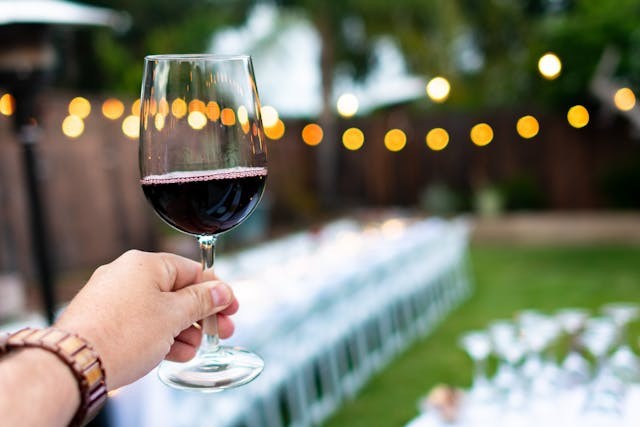 Wine in Spain: A Journey through its History, Grapes and Regions
Spain, with an age-old winemaking tradition dating back to the Phoenicians and Romans, is today a wine giant: the...Read more
Wine in Spain: A Journey through its History, Grapes and Regions
Spain, with an age-old winemaking tradition dating back to the Phoenicians and Romans, is today a wine giant: the...Read more -
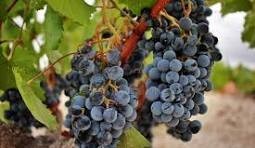 The Monastrell Grape: A Mediterranean Treasure in the World of Wine
The Monastrell grape, also known as Mourvèdre in France, is a red grape variety that has found its ideal home in the...Read more
The Monastrell Grape: A Mediterranean Treasure in the World of Wine
The Monastrell grape, also known as Mourvèdre in France, is a red grape variety that has found its ideal home in the...Read more -
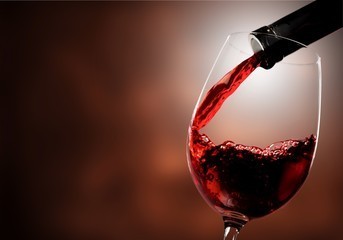 How is wine made? A Journey from the Vine to your Glass
Wine is much more than a drink; it is the result of an artisanal process that combines tradition, science and...Read more
How is wine made? A Journey from the Vine to your Glass
Wine is much more than a drink; it is the result of an artisanal process that combines tradition, science and...Read more -
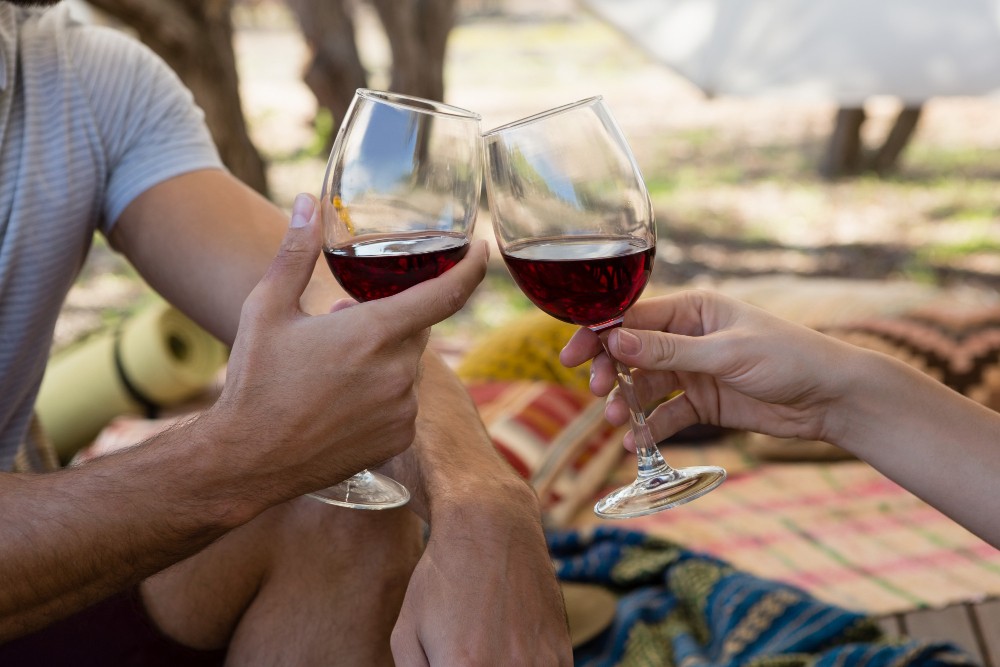 The Best Spanish Wines on the Cheap: Quality Without Spending Too Much
Spain is synonymous with wine tradition, and one of the great advantages of its wines is that they offer value for...Read more
The Best Spanish Wines on the Cheap: Quality Without Spending Too Much
Spain is synonymous with wine tradition, and one of the great advantages of its wines is that they offer value for...Read more -
Discovering Cava: Spain’s Sparkling Jewel
Cava is much more than just a sparkling wine—it’s a tradition, a symbol of celebration, and a testament to Spain’s...Read more
Leo Elements Font End
Panel Tool
Yes
No
Font Base
Font Heading
Font Slider
Font Senary
Font Septenary
Color Default
Leave a comment